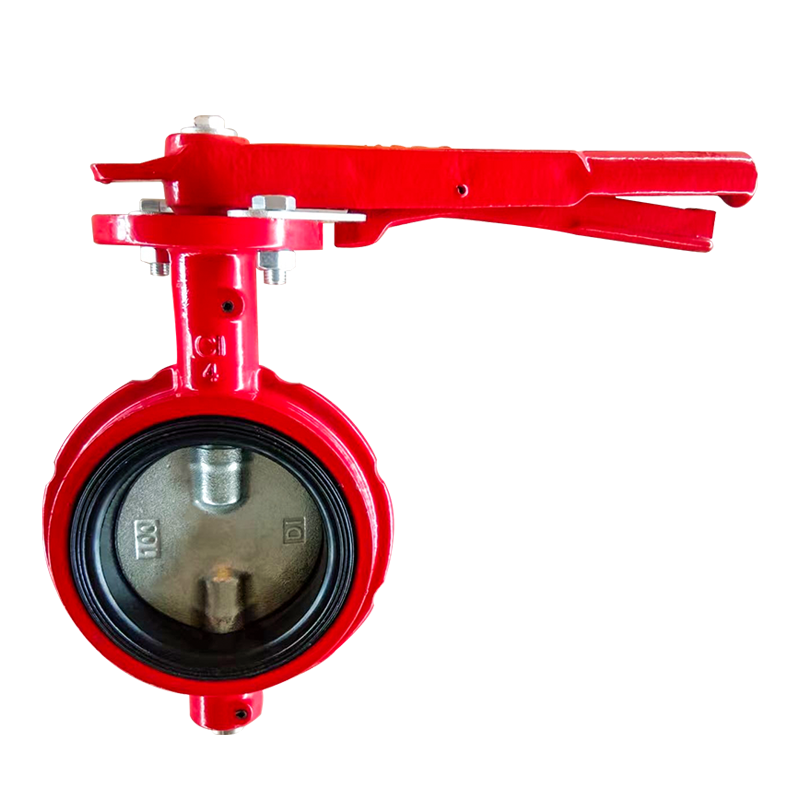
Advanced horizontal swing check valve Solutions for Ecuador's Industrial Infrastructure

High-performance flow control engineering tailored for the unique geological and industrial demands of the Ecuadorian market.

Advanced horizontal swing check valve Solutions for Ecuador's Industrial Infrastructure

Providing precision-engineered backflow prevention systems including hose check valve and specialized horizontal configurations to ensure operational safety in South America's diverse terrain.

Current State of Flow Control Manufacturing in Ecuador

Analyzing the intersection of geographical challenges and industrial valve requirements in the Andean and Coastal regions.

The industrial landscape of Ecuador is characterized by a stark contrast between the humid coastal plains and the high-altitude Andean regions. This diversity places immense stress on piping systems, where the demand for a reliable horizontal check valve is critical to prevent backflow in uneven terrains, especially in the oil and mining sectors located in the Oriente region.

Currently, many Ecuadorian facilities rely on aging infrastructure that struggles with the high mineral content of local water sources. This has led to an increased adoption of the hose bib check valve in agricultural irrigation and small-scale industrial cleaning, where preventing contamination of the primary water supply is a primary regulatory concern.

The market is currently shifting from generic imported valves to application-specific components. There is a growing trend toward utilizing a horizontal lift check valve in high-pressure processing plants, as these provide superior sealing capabilities compared to traditional spring-loaded options under the specific atmospheric pressures of the Quito highlands.
Evolution and Trajectory of Valve Technology in Ecuador

From basic mechanical barriers to precision-engineered flow control systems.

Market Development History

In the late 20th century, the Ecuadorian market was dominated by basic cast-iron valves with high failure rates due to corrosion. Early installations focused on simple gravity-based systems, where the rudimentary horizontal swing check valve was the standard for wastewater management in cities like Guayaquil.

Between 2005 and 2015, the expansion of the oil industry triggered a technical leap. The introduction of stainless steel and alloy-based valves allowed for better resistance to corrosive hydrocarbons. During this era, the precision of the horizontal lift check valve became essential for high-pressure pipeline segments.

From 2016 to the present, the focus has shifted toward "Smart Fluid Control." Integration of materials that resist the high humidity of the coast and the freezing temperatures of the mountains has become the benchmark for modern manufacturing, emphasizing E-E-A-T principles in material selection.

Future Development Trends

Integration of IoT Monitoring

Expect a surge in "intelligent" check valves equipped with sensors to monitor flow direction and seal integrity in real-time, reducing maintenance costs for remote Andean sites.

Advanced Anti-Corrosive Coatings

Future trends point toward nano-coatings that exceed current ASTM standards, specifically designed to combat the salt-heavy air of the Pacific coast.

Sustainable Material Transition

A move toward recyclable high-performance polymers for low-pressure applications, reducing the carbon footprint of industrial installations across Ecuador.

Industry Outlook and Strategic Forecast

Projecting the next 3-5 years of valve technology adoption in South America.

Digital Twin Integration
Simulating valve wear and tear under Ecuadorian geological stressors using digital twin technology to predict failure.
Hybrid Material Alloys
Developing alloys that combine the strength of steel with the lightness of composites for easier installation in the Andes.
Zero-Leakage Standards
Adopting stricter environmental regulations in Ecuador to eliminate micro-leaks in hydrocarbon transport systems.
Automated Actuation
Transitioning from manual check valves to automated, sensor-driven systems for remote hazardous environments.

Industry Outlook

Google search trends for "industrial valve efficiency" and "leak-proof piping" in the Ecuador region show a 20% year-over-year increase. This indicates a critical transition where Ecuadorian firms are prioritizing long-term durability (E-E-A-T) over initial purchase cost.

Over the next five years, we anticipate a consolidation of the supply chain, where manufacturers providing integrated solutions—combining high-precision valves with installation consulting—will dominate the South American market.

Local Application Scenarios in Ecuador

Practical implementations of check valve technology across diverse Ecuadorian industries.

01. Oil Pipeline Safety in the Oriente Region

Using the horizontal swing check valve to prevent reverse flow in crude oil transport pipelines crossing mountainous terrains, ensuring environmental protection in the Amazon basin.

02. Banana Plantation Irrigation in Guayas

Implementation of the hose bib check valve at primary water distribution nodes to prevent fertilizer-rich water from contaminating the main aquifer.

03. Mining Process Water Management in the Andes

Deploying the horizontal lift check valve in heavy-slurry transport systems where high-pressure sealing is mandatory to prevent hazardous spill-backs.

04. Municipal Water Treatment in Quito

Utilizing a horizontal check valve in the city's primary pumping stations to maintain pressure stability despite extreme elevation changes.

05. Seafood Processing Plants in Manta

Integrating specialized hose check valve systems in brine-washing lines to ensure one-way flow of corrosive saline solutions, extending equipment lifespan.

Brand Story

Global Development History of Ningjin County Hongda Valve Co., Ltd.

Foundational Excellence

Established with a mission to solve the most common failures in industrial flow control, focusing on leak-proof sealing technology from day one.

Technical Iteration

Over a decade of R&D, we transitioned from basic casting to precision CNC machining, ensuring every valve meets global API and ANSI standards.

Global Expansion

Expanding our footprint into South America, we adapted our product lines to meet the specific atmospheric and chemical demands of the Ecuadorian market.

Quality Certification

Achieving ISO certifications that validate our commitment to the E-E-A-T principle, providing trust and reliability to international engineers.

Future Vision

Dedicated to becoming the leading provider of smart flow solutions, reducing industrial waste and enhancing safety for our global partners.

Comprehensive Flow Control Portfolio for Ecuador

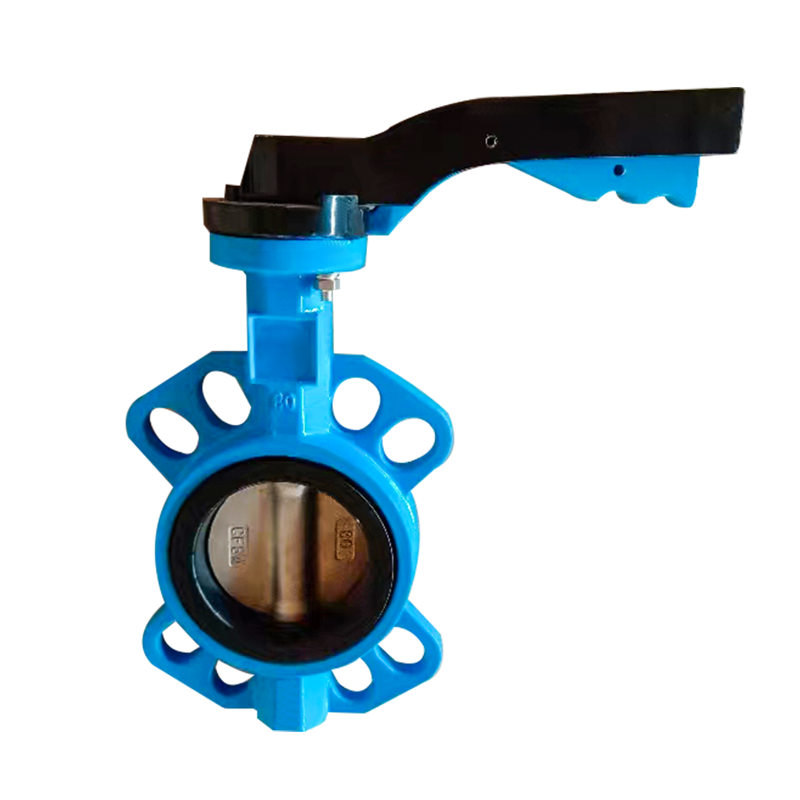
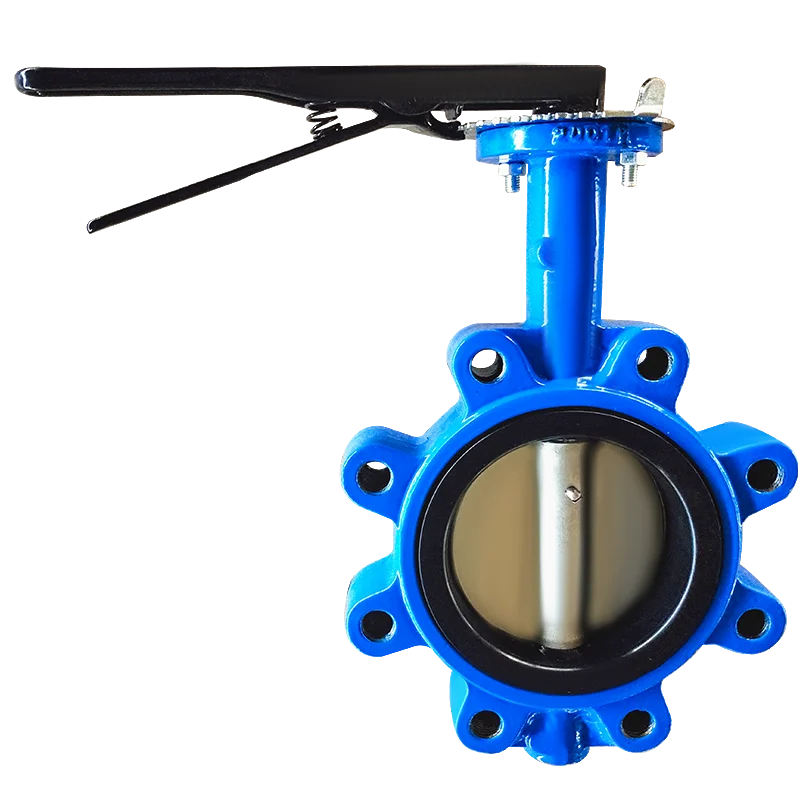
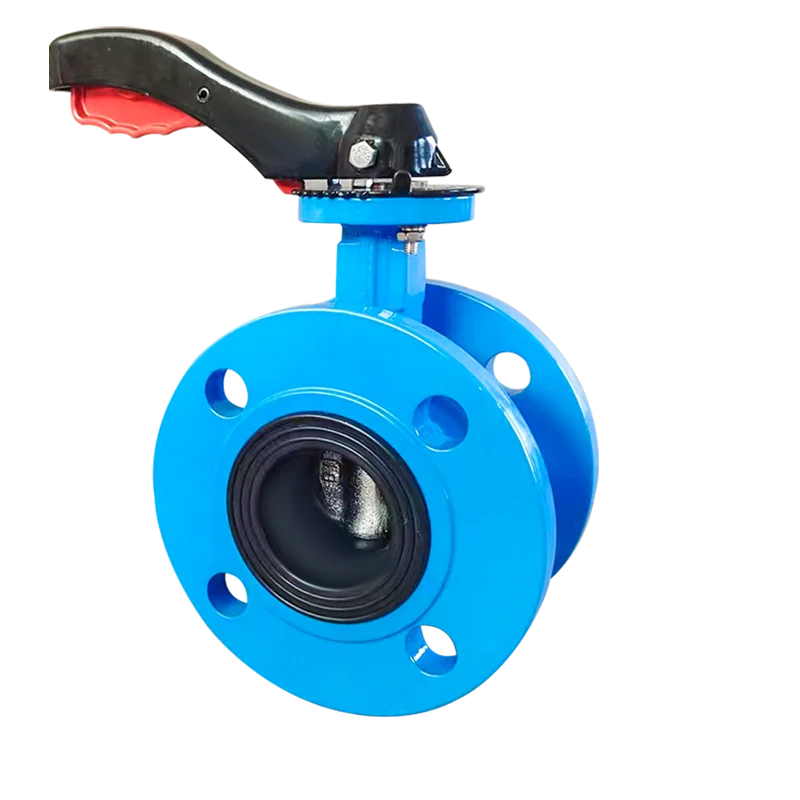
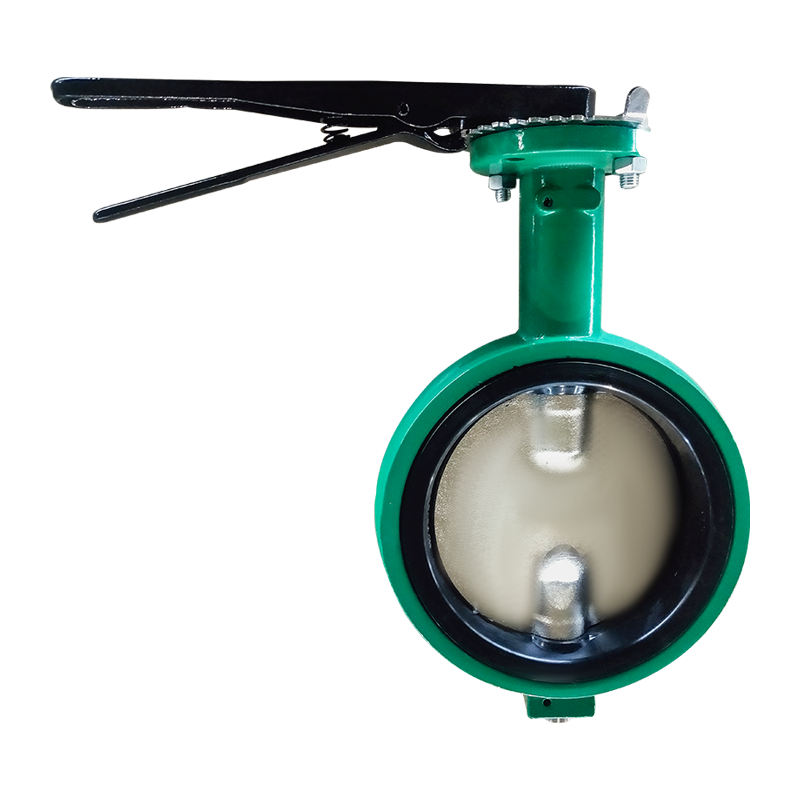
A curated selection of check valves designed to withstand the varied climates and industrial pressures of Ecuador.

Common Questions Regarding Valves in Ecuador

Expert answers to technical challenges faced by local engineers and procurement managers.

Which hose check valve is best for the humid coastal climate of Guayaquil?

For high-humidity coastal areas, we recommend 316 Stainless Steel hose check valves with reinforced polymer seals to prevent saltwater corrosion and ensure longevity.

How does a hose bib check valve prevent cross-contamination in agriculture?

The hose bib check valve acts as a mechanical barrier that allows water to flow only in one direction, preventing chemicals or fertilizers from siphoning back into the primary water source.

When should I choose a horizontal swing check valve over a spring-loaded one?

Choose a horizontal swing check valve for applications with high flow volumes and low pressure drops, as the swinging disc offers less resistance than a spring.

What are the advantages of a horizontal lift check valve in high-pressure mining pipes?

Horizontal lift check valves provide a tighter seal under high pressure, which is essential for preventing hazardous backflow in mineral slurry pipelines.

Is a standard horizontal check valve suitable for the high altitude of Quito?

Yes, however, we recommend adjusting the seat tension to account for the lower atmospheric pressure at high altitudes to ensure a perfect seal.

How often should I maintain check valves in oil transport systems?

Due to the particulates in crude oil, we suggest a comprehensive inspection every 6 to 12 months to ensure the disc moves freely and the seals remain intact.

Ready to Optimize Your Fluid Systems?

Contact our engineering team today for customized flow control solutions delivered across Ecuador.

Contact Us Now

If you are interested in our products, you can choose to leave your information here, and we will be in touch with you shortly.