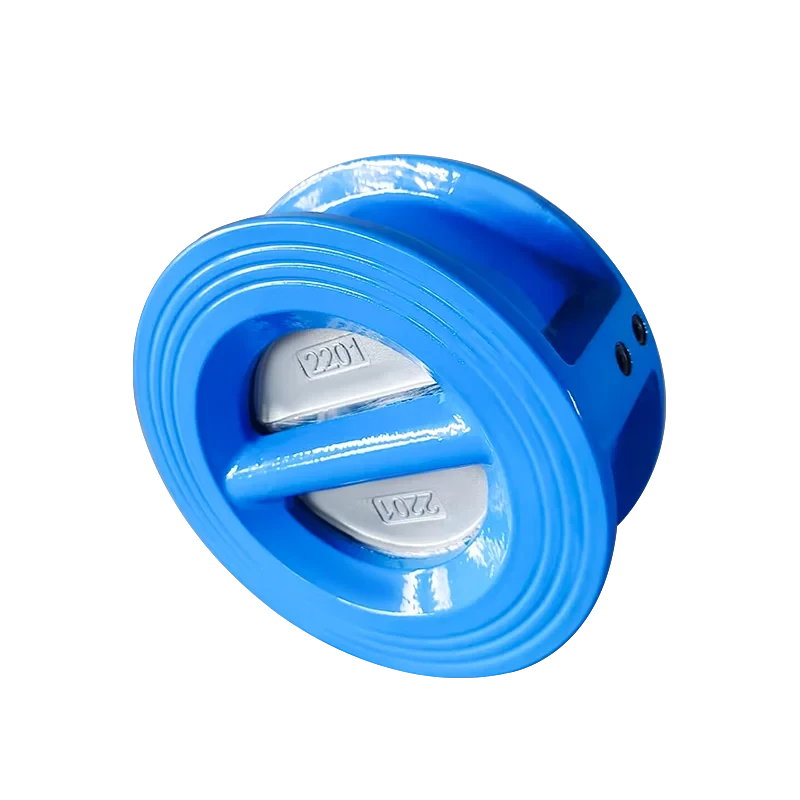
Industrial Flow Control Solutions for Horizontal Swing Check Valve in Argentina

Providing high-performance check valve technology to optimize fluid dynamics across Argentina's heavy industrial and agricultural sectors.

Industrial Flow Control Solutions for Horizontal Swing Check Valve in Argentina

Engineered for reliability and precision, our comprehensive range of non-return valves ensures secure backflow prevention for the diverse environmental demands of the Argentine market.

Current State of Valve Manufacturing in Argentina

Analyzing the intersection of regional industrial demand and specialized valve technology.

Argentina's industrial landscape, particularly in the Pampas agricultural belt and the industrial hubs of Buenos Aires, relies heavily on robust fluid transport. The current demand for the horizontal check valve has surged as local refineries and irrigation systems seek to upgrade legacy infrastructure to reduce operational downtime and prevent costly reverse flow damage.

The region faces unique challenges due to fluctuating economic conditions and a wide variety of climatic zones, from the humid subtropics to the arid Patagonian steppes. This necessitates a highly adaptable approach to material selection, where the use of a hose bib check valve becomes critical in small-scale agricultural water management and municipal plumbing to ensure sanitary safety.

Currently, there is a noticeable shift toward importing high-precision components that meet international ISO standards. Argentine engineers are increasingly prioritizing the longevity of horizontal lift check valve units in heavy-duty mining operations in the northwest, where abrasive slurry handling requires superior wear resistance and tight sealing capabilities.
Evolution and Technical Trajectory of Flow Control

From manual cast-iron gates to precision-engineered non-return systems.

Market Development History

In the mid-20th century, Argentina's valve market was dominated by basic cast-iron components with limited sealing efficiency. During the 1980s, the introduction of standardized alloys allowed for the first widespread adoption of the hose check valve in the expanding agricultural irrigation sectors, providing better pressure management for portable hose systems.

By the early 2000s, the transition toward automation began. Industrial plants integrated more complex horizontal swing check valve configurations to handle higher flow rates with lower pressure drops, reflecting the growth of the local petrochemical and food processing industries.

From 2015 to the present, the focus has shifted toward "Smart Maintenance." The integration of diagnostic sensors and the use of high-chromium steels have redefined the lifespan of lift-style valves, ensuring that critical infrastructure can operate for decades with minimal intervention.

Future Development Trends

Additive Manufacturing Integration

We expect a surge in 3D-printed valve internals to allow for rapid prototyping of custom geometries tailored to Argentina's specific mineral processing requirements.

IoT-Enabled Leak Detection

Integration of smart sensors into check valve bodies will allow operators to monitor backflow events in real-time via cloud platforms, reducing waste in water-scarce regions.

Sustainable Material Transition

A move toward graphene-enhanced coatings to combat the corrosive nature of saline soils in coastal Argentine industrial zones, extending the life of the valve body.

Industry Outlook and Strategic Forecast

Predicting the next 5 years of valve technology in the South American market.

Digital Twin Integration
Virtual modeling of valve performance to predict wear and tear before physical failure occurs in Argentine plants.
Zero-Leakage Standards
Adopting ultra-tight sealing tolerances to comply with stricter environmental laws regarding fluid leakage in South America.
Modular Valve Design
Development of interchangeable internal components for easier field replacement in remote Argentine provinces.
Low-Carbon Production
Implementing green manufacturing processes to reduce the carbon footprint of valve production exported to Argentina.

Industry Outlook

The trajectory for the Argentine valve market indicates a strong movement toward specialization. As the Vaca Muerta shale formation continues to drive energy production, the demand for high-pressure, corrosion-resistant check valves will likely outpace standard residential or agricultural needs.

Furthermore, Google search trends in the region show an increasing interest in "automated flow control" and "industrial energy efficiency," suggesting that the next generation of valves will not just be passive barriers, but active components of a smart industrial ecosystem.

Localized Application Scenarios in Argentina

Real-world implementations of valve technology across Argentine sectors.

1. Viticulture Irrigation in Mendoza

Using the hose check valve to prevent water hammer and backflow in complex drip irrigation networks, ensuring consistent hydration for premium vineyards.

2. Oil & Gas Extraction in Neuquén

Implementation of the horizontal lift check valve in high-pressure hydrocarbon lines to protect upstream pumps from sudden pressure surges during extraction.

3. Dairy Processing in Santa Fe

Installing horizontal swing check valve systems in sanitary piping to ensure one-way flow of milk and cleaning agents, maintaining strict hygiene standards.

4. Municipal Water Distribution in Buenos Aires

Deployment of hose bib check valve units at public water access points to prevent contaminated water from entering the city's main potable water grid.

5. Mining Slurry Transport in Jujuy

Utilizing heavy-duty horizontal check valve designs with tungsten carbide coatings to manage abrasive mineral flows without leaking or premature wear.

Brand Story

Global Development Journey of Ningjin Hongda Valve Co., Ltd.

Founding Excellence

Established with a vision to solve the most critical leakages in industrial piping, we began by mastering the fundamentals of precision casting.

Technical Breakthroughs

Innovated a proprietary sealing mechanism that reduced friction in non-return valves, significantly extending the service life of industrial check valves.

Global Expansion

Expanded our reach to South America, establishing a robust supply chain that ensures Argentine industries receive high-quality valves without long lead times.

Certification Mastery

Achieved international certifications (ISO, CE, API), ensuring that every valve leaving our factory meets the rigorous safety standards of the global market.

Future Vision

Committing to a sustainable future by developing eco-friendly alloys and smart-valve technology for the next generation of global industry.

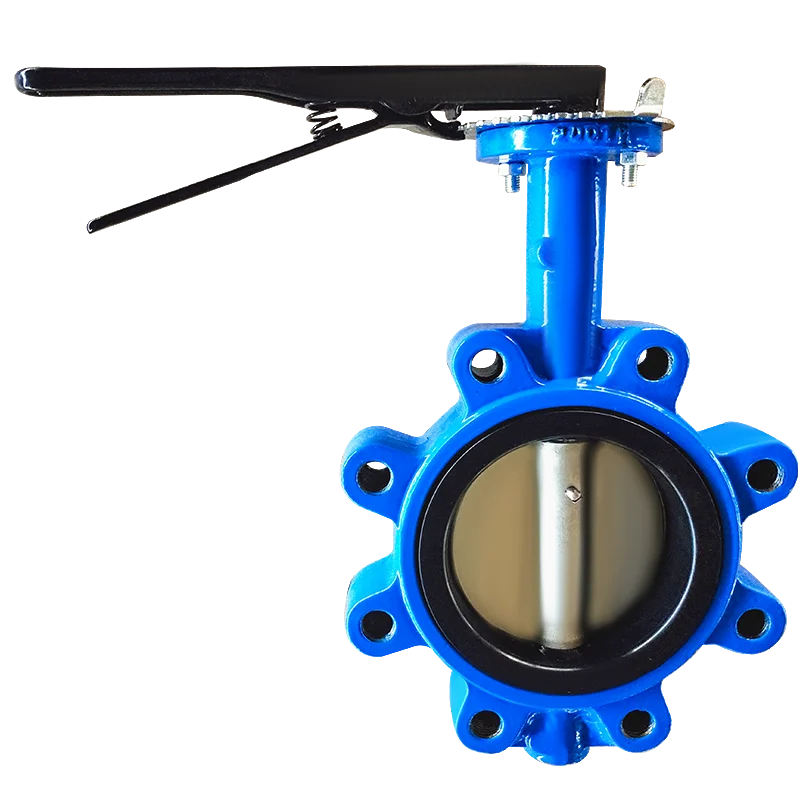
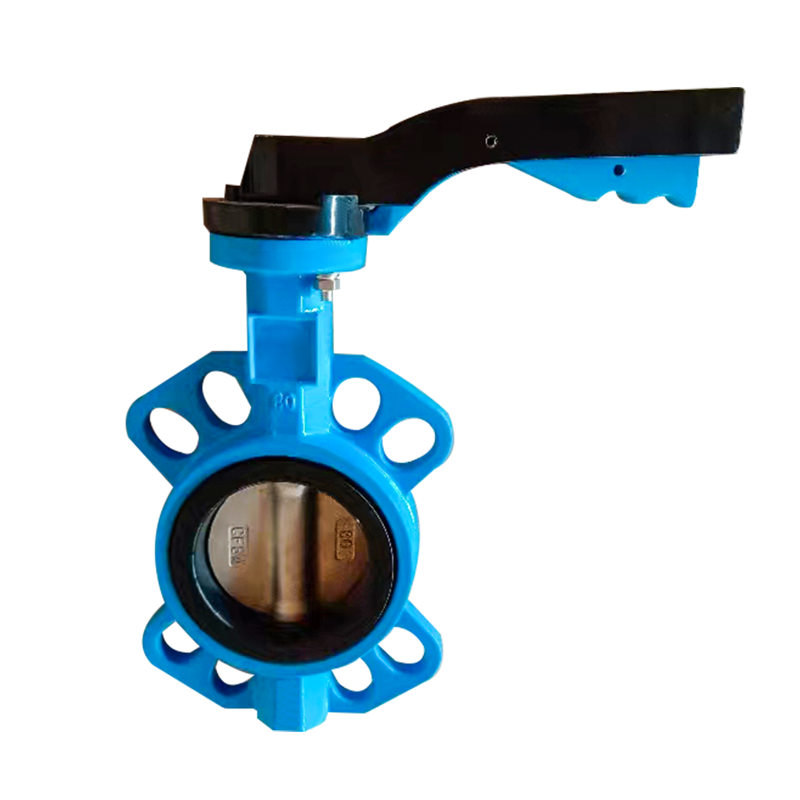
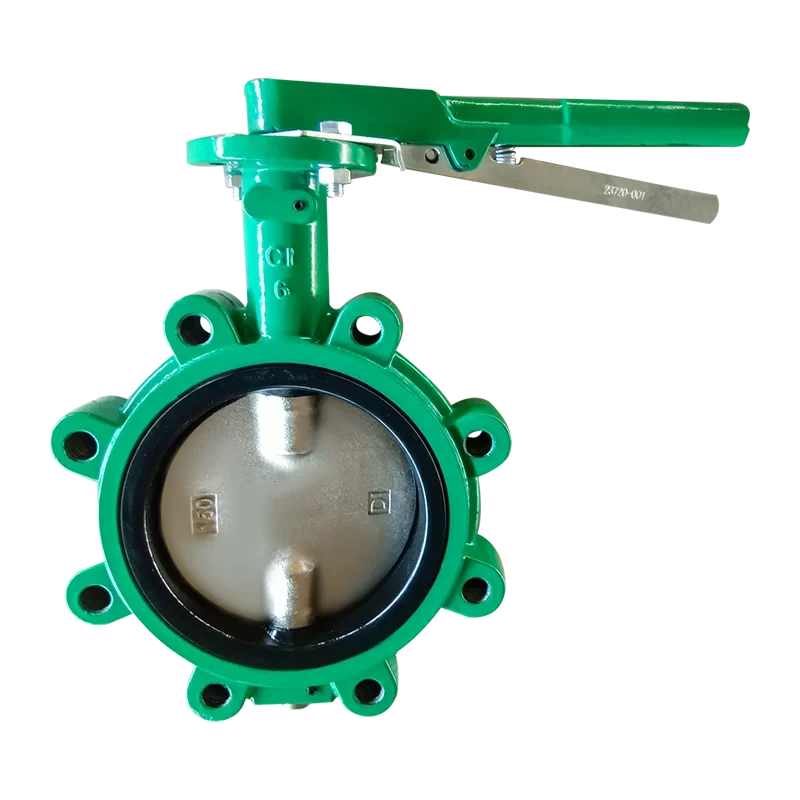
Comprehensive Valve Portfolio for the Argentine Market

A full range of check valves engineered for the unique pressures and fluids of South American industry.

Common Technical Inquiries in Argentina

Expert answers to the most frequent questions regarding check valve selection and maintenance.

How to choose the right horizontal swing check valve for abrasive fluids?

For abrasive fluids, we recommend selecting a valve with hardened seats and a reinforced disc. Hard-facing materials like Stellite are ideal for reducing erosion and maintaining a tight seal over time.

What are the installation advantages of a horizontal lift check valve?

Lift check valves provide a more secure seal under high pressure and are typically more compact. They are ideal for applications where a definitive shut-off is required to prevent backflow in vertical or horizontal lines.

Can a hose bib check valve be used for commercial agricultural irrigation?

Yes, they are specifically designed for this. They ensure that water only flows toward the hose, preventing debris or contaminated water from flowing back into the main supply system.

What is the typical maintenance cycle for a horizontal check valve in mining?

Depending on the slurry concentration, we recommend a visual inspection every 3 months and a full internal seal audit every 12 months to prevent catastrophic failure.

Why is a hose check valve preferred over standard gate valves for portable systems?

Unlike gate valves, which require manual operation, a hose check valve operates automatically based on flow direction, eliminating human error and providing instant backflow protection.

How do temperature fluctuations in Patagonia affect valve sealing?

Extreme cold can cause material contraction. We provide specialized low-temperature alloys and EPDM seals that maintain elasticity and sealing integrity even in sub-zero Argentine winters.

Consult Our Engineering Experts

Get a customized fluid control strategy for your facility in Argentina. Our technical team is ready to assist with sizing and material selection.

Contact Us Now

If you are interested in our products, you can choose to leave your information here, and we will be in touch with you shortly.